
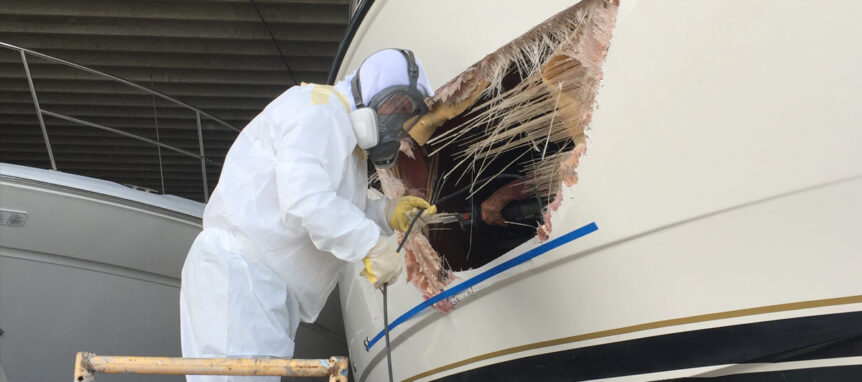
Fiberglass is the foundation of most modern yachts. It provides the strength, buoyancy, and durability needed to endure constant movement and challenging marine environments. While fiberglass is known for its resilience, it is not immune to wear, impact, or moisture damage. The key to protecting your yacht is recognizing early signs of fiberglass issues before they evolve into costly structural problems. Knowing what to look for can save you both time and money while preserving the safety and performance of your vessel.
At Horizon Marine Services, we specialize in identifying and repairing fiberglass damage at every level. From cosmetic flaws to hidden structural weaknesses, our team understands how to diagnose problems early and restore your yacht with precision. These are some of the most important indicators that your fiberglass needs attention.
Visible Cracks and Surface Fractures
Small cracks may appear insignificant, but they can be the first sign of deeper issues within the laminate. Spiderweb-like fractures often form around high-pressure areas or places where hardware attaches to the deck or hull. These cracks may start on the gelcoat surface, but if left untreated, they can progress into the fiberglass layers beneath. When cracks begin to spread, the structural integrity of the area can weaken, allowing moisture to enter and causing even more damage over time.
Soft Spots Underfoot
A soft spot on a deck or hull surface is one of the most concerning signs of fiberglass deterioration. Softness typically indicates delamination, which occurs when the fiberglass separates from its core material. This can happen due to long-term moisture intrusion, impact damage, or aging construction. As the bond between layers weakens, the affected area becomes spongy or flexible. Soft spots should be inspected immediately because they point to compromised strength and potential safety hazards, especially on decks that experience constant foot traffic.
Blisters or Bubbles on the Hull
Blistering occurs when water penetrates the laminate and reacts with trapped materials beneath the gelcoat, causing small bumps or bubbles to form. While a single blister may not be urgent, widespread blistering signals a problem known as osmotic blistering, which can spread across the hull. Over time, blisters can expand, rupture, or deepen, exposing the fiberglass to further water intrusion. Early treatment can prevent the problem from escalating and protect the hull from more invasive repairs.
Discoloration or Water Staining
Fiberglass should maintain a consistent appearance, so any unusual discoloration could indicate moisture intrusion or underlying damage. Yellowing, dark spots, or streaking may occur when water seeps into the laminate through cracks, failing sealant, or improperly bedded hardware. Once water enters these layers, it can remain trapped and continue to spread. Addressing the source of the moisture and repairing any affected areas is essential to preventing long-term structural issues.
Unusual Flexing or Movement
Your yacht is built to flex naturally in the water, but excessive or uneven flexing is a sign of structural compromise. If certain areas of the deck, hull, or interior panels shift, creak, or move more than they should, there may be hidden fractures or delamination within the fiberglass. This type of damage often goes unnoticed until performance declines or a noticeable shift occurs during operation. A professional inspection can help identify the cause and prevent further weakening of the vessel’s structure.
Damage from Previous Repairs
Not all repairs are performed with the proper materials or techniques, and improper work can create new problems. Poor-quality patches may separate, crack, or absorb moisture. If you know your yacht has undergone fiberglass repairs in the past, it’s wise to keep an eye on those areas for signs of failure. When older repairs begin to break down, they can compromise the surrounding laminate and lead to larger issues if not addressed promptly.
Why Timely Repair Matters
Fiberglass damage rarely fixes itself. Even minor cracks or blemishes can develop into more serious concerns when exposed to saltwater, pressure, and vibration. Early detection and repair help protect the long-term value of your yacht and ensure the safety of everyone on board. Delaying repairs increases the likelihood of more invasive, and expensive, restoration work down the line.
At Horizon Marine Services, we offer comprehensive fiberglass evaluations and expert repair solutions tailored to your vessel’s needs. Whether you’re dealing with cosmetic imperfections or structural concerns, our team delivers durable, seamless results that restore strength and appearance.
If you’ve noticed any of these warning signs, don’t wait for the damage to worsen. Reach out to Horizon Marine Services to schedule an inspection and keep your yacht performing at its best.